Source Organic Matte Hair Styling Powder for Volume Texture Hold
Compare 30 listings of organic matte hair styling powder from verified suppliers. Buyers can evaluate features like oil control, natural finish, and customization options for short, curly, or all hair types; compare the available evidence and request quotations based on your requirements.
Key considerations
Products List






Comprehensive Sourcing Guide
Organic Matte Hair Styling Powder Sourcing Guide
Buyers seeking organic matte hair styling powder must first distinguish between products claiming natural formulations and those relying on standard chemical bases. The observed market data indicates a split where some listings explicitly state "Organic" and "All Natural Ingredients" while others list "Chemical" ingredients, requiring careful verification of the specific batch or SKU. Procurement teams should prioritize suppliers who clearly define their ingredient profiles, as the term "organic" is often used loosely in marketing without substantiation.
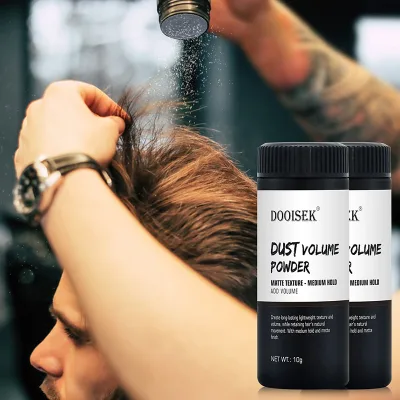
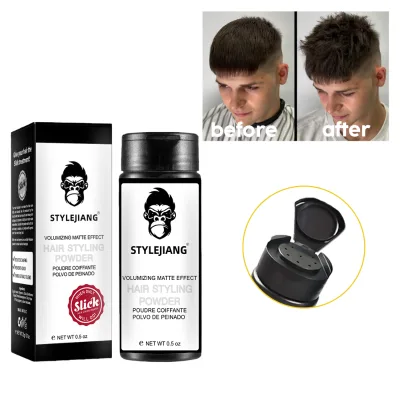
The functional scope for this category centers on volumizing, texturizing, and oil control, with a specific emphasis on achieving a matte or natural look rather than a glossy finish. While some products target short hair or curly hair types, others are marketed for all hair types, suggesting that formulation density and particle size vary significantly between suppliers. Buyers must align their specific styling needs, such as strong versus medium hold, with the product's stated effects to ensure the powder delivers the intended texture without weighing hair down.
Product Scope and Observed Listing Signals
When evaluating product listings, buyers should look for specific signals regarding customization and sample availability, as these are critical for B2B validation. The data shows that samples are frequently offered, sometimes freely, with low minimum order quantities for stock items but higher thresholds for custom branding. This flexibility allows purchasers to test the physical properties of the powder, such as its color and texture, before committing to larger production runs.
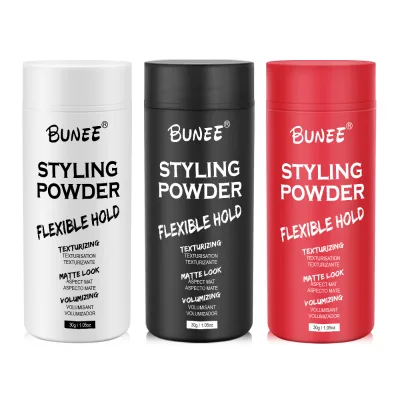
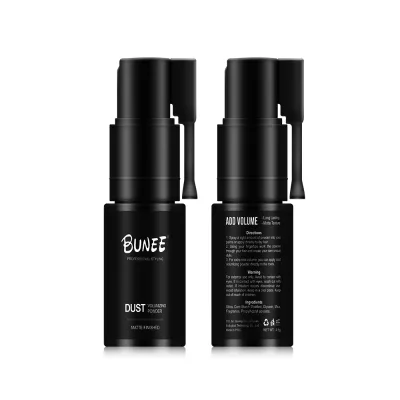
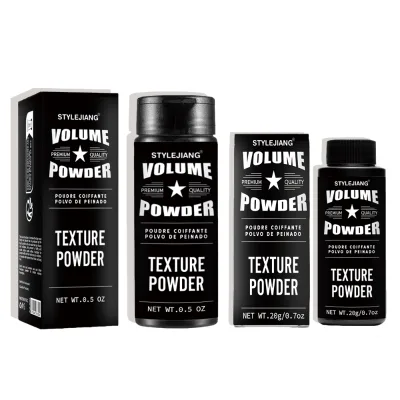
Listing signals also reveal a wide range of packaging options and volume capacities, from small 4.5g units to larger 10g or 25g containers, often packed in cartons. The presence of "Bunee" as a brand name alongside options for "Customized" branding indicates that suppliers are prepared to handle both white-label and private-label strategies. Buyers must verify if the observed "white color powder" is standard or if black variants are available, as this affects the final product's suitability for different hair colors and styling preferences.
Technical Specifications to Verify
Technical verification begins with confirming the hold strength and styling effect, as the market offers both "Strong Hold" and "Medium Hold" variants with different texturizing capabilities. Procurement teams must ensure the selected powder matches the desired outcome, whether it is for molding, shaping, or simply adding volume to the hair. The distinction between a "Natural" effect and a "Matte/Natural Look" is subtle but crucial for consumers seeking a specific aesthetic finish.
Buyers must also scrutinize the ingredient composition to validate claims of being alcohol-free, sulfate-free, and formaldehyde-free, which are often listed alongside "Organic" attributes. The presence of "Chemical" ingredients in some listings necessitates a direct request for the full ingredient list to confirm the absence of harsh additives. Additionally, verifying the scent profile, which ranges from branded perfumed fragrances to unscented options, is essential for ensuring the product aligns with the target demographic's preferences.
Compliance and Safety Documentation
Compliance verification requires suppliers to provide valid certificates such as GMPC, ISO22716, and MSDS, which are standard indicators of manufacturing quality and safety. These documents confirm that the production facility adheres to Good Manufacturing Practices and that the product has undergone necessary safety assessments for cosmetic use. Buyers should request these certificates directly from the supplier to ensure they are current and applicable to the specific product model being ordered.
Safety documentation must also address the specific formulation claims, particularly regarding the "Organic" and "All Natural Ingredients" assertions found in some listings. While some products are certified, others may rely on internal standards, making it vital to cross-reference the provided MSDS with the actual ingredient list. This step ensures that the product meets international safety standards and does not contain prohibited substances that could lead to regulatory issues in the destination market.
Cost Drivers and Commercial Terms
Cost drivers in this category are heavily influenced by the level of customization, with MOQs ranging from single sample units to 50,000 pieces for fully customized orders. The price range observed in the market spans from $0.01 to $3.50, reflecting differences in packaging, volume, and ingredient quality. Buyers should anticipate that lower prices may correlate with standard packaging or chemical-based formulations, while premium organic options with custom branding will command higher unit costs.
Commercial terms also vary significantly regarding payment methods and shipment logistics, with options including PayPal, T.T., and Alipay, alongside sea, air, and express delivery. The lead time and shipping method will directly impact the total landed cost, especially for urgent orders or large volumes. Procurement teams must negotiate clear terms for sample fees and bulk pricing tiers to optimize the budget while maintaining the desired quality and delivery schedule.
Supplier Qualification and Quality Control
Supplier qualification should prioritize manufacturers with a proven track record, such as those citing 20 to 23 years of experience in the industry. This longevity often correlates with stable supply chains and refined production processes, which are critical for maintaining consistent product quality across large orders. Buyers should verify these experience claims by requesting references or case studies that demonstrate the supplier's ability to handle complex customization requests.
Quality control protocols must be established to ensure that the final product matches the sample provided, particularly regarding texture, color, and hold strength. Since the market offers both "Organic" and "Chemical" variants, buyers must implement strict incoming inspection procedures to verify that the received goods match the agreed-upon specifications. Regular audits of the supplier's production line can help prevent discrepancies and ensure that the "All Natural Ingredients" claims are consistently met.
Long-Term Procurement Checks
Long-term procurement success depends on establishing a robust relationship with suppliers who can scale production while maintaining quality standards. Buyers should monitor the supplier's ability to manage inventory levels, as some listings indicate "enough stock" while others require lead times for custom orders. A reliable partner will provide transparent updates on production status and proactively communicate any potential delays or material shortages.
Continuous verification of product performance and market feedback is essential for maintaining a competitive edge in the hair styling sector. Buyers should regularly review customer reviews and return rates to identify any recurring issues with the powder's texture or efficacy. By maintaining open communication and conducting periodic quality audits, procurement teams can ensure that the organic matte hair styling powder continues to meet evolving consumer expectations and regulatory requirements.
FAQs
What certifications do the hair styling powder suppliers hold?
The suppliers hold GMPC, ISO22716, and MSDS certifications. These credentials ensure that the manufacturing processes meet international safety and quality standards for cosmetic products. Buyers can rely on these documented standards when evaluating supplier compliance and product safety for their specific market requirements.
Can I get a sample before placing a bulk order?
Yes, samples are freely provided for evaluation purposes. This allows buyers to test the product's texture, hold strength, and matte finish before committing to larger quantities. The sample process facilitates informed decision-making and ensures the product meets your specific styling needs and quality expectations.
What is the minimum order quantity for customized products?
The minimum order quantity for customized products is 500 pieces. For stock items, the MOQ is typically 42 pieces. This flexible structure supports both small trial orders and larger bulk purchases, accommodating various business sizes and inventory requirements for hair styling powder distribution.
Does the powder offer strong hold and volumizing effects?
Yes, the powder provides strong hold and natural volumizing effects. It is designed to texturize hair and control oil while delivering a matte, natural look. This functionality makes it suitable for various hair types, including short and curly hair, ensuring versatile styling capabilities for end users.
Is OEM and ODM service available for this product?
OEM and ODM services are accepted and available. Suppliers with extensive experience offer customization options for branding, packaging, and formulation. This flexibility allows businesses to create unique products that align with their brand identity and specific market demands without compromising on quality or performance standards.
What packaging options are available for the hair powder?
The product is typically packed in cartons for bulk shipping. Specific package dimensions and sizes, such as 10g or 25g, are available. Customized packaging solutions can also be arranged to meet specific retail or distribution needs, ensuring safe transport and appealing presentation for the final consumer.